Introduction
Bangladesh receives around 2,300 mm of rainfall a year — most of it currently lost to the drains. A properly designed rainwater harvesting system captures that free, soft, chemical-free water for reuse, cuts your freshwater bill and helps recharge depleted aquifers.
What is rainwater harvesting?
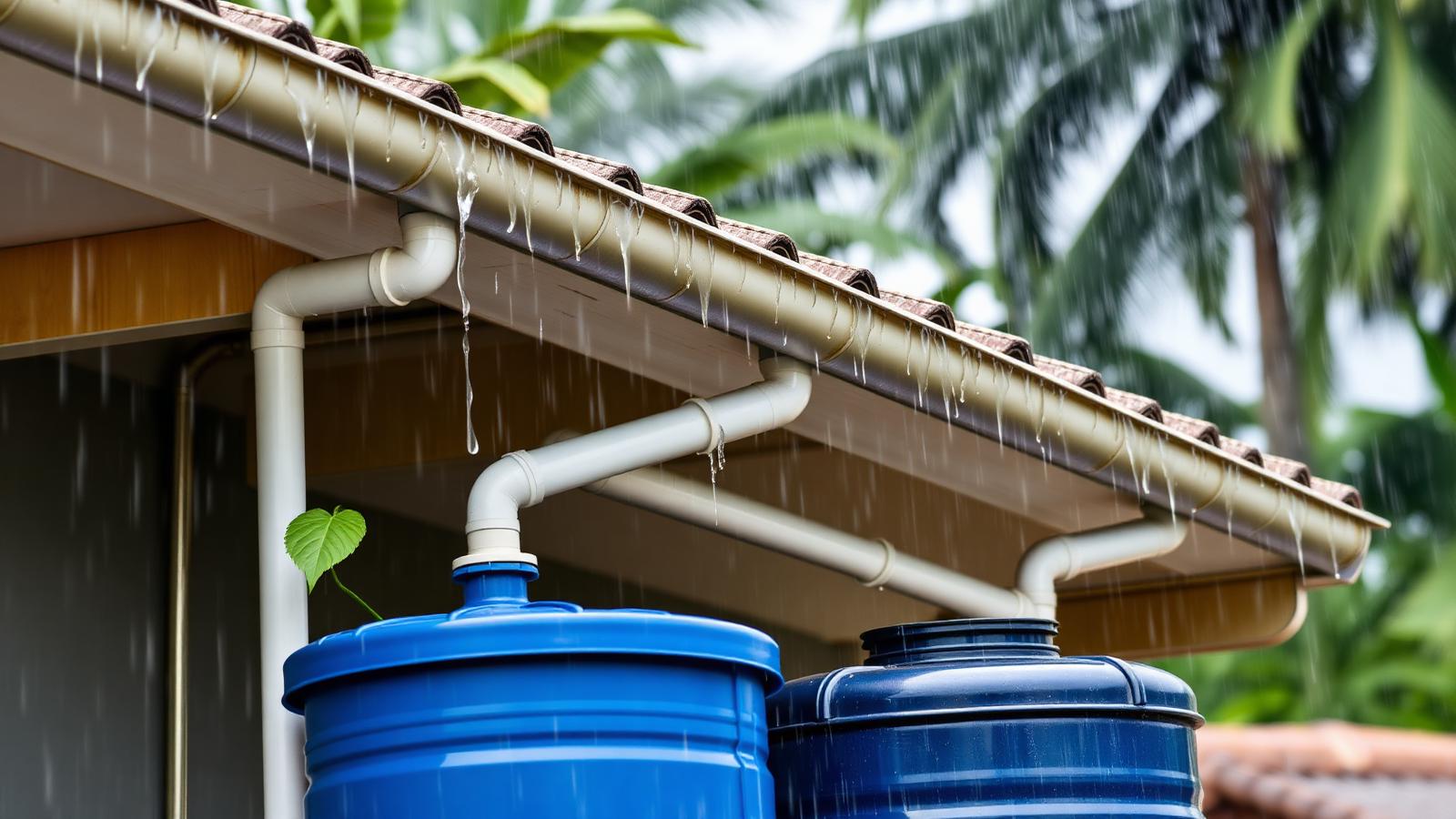
Rainwater harvesting collects runoff from rooftops (and paved areas), removes the first-flush contaminants, filters and disinfects the water and stores it in overhead or underground tanks for reuse — or recharges it directly into the ground water table.
Components of our system
A complete rainwater harvesting installation includes:
- Catchment area — usually the roof.
- First-flush diverter to reject dirty initial runoff.
- Sand and activated carbon filters.
- UV disinfection for drinking-quality reuse.
- Storage tanks — underground or overhead.
- Pumping and integration with existing supply.
Where rainwater harvesting works
Residential towers, factories, schools, hospitals and commercial complexes — anywhere with meaningful roof area and monthly water bills worth reducing.